Blog

How SLCM Warehouse Storage Services Help Protect Agricultural Produce

Warehouse Storage Services

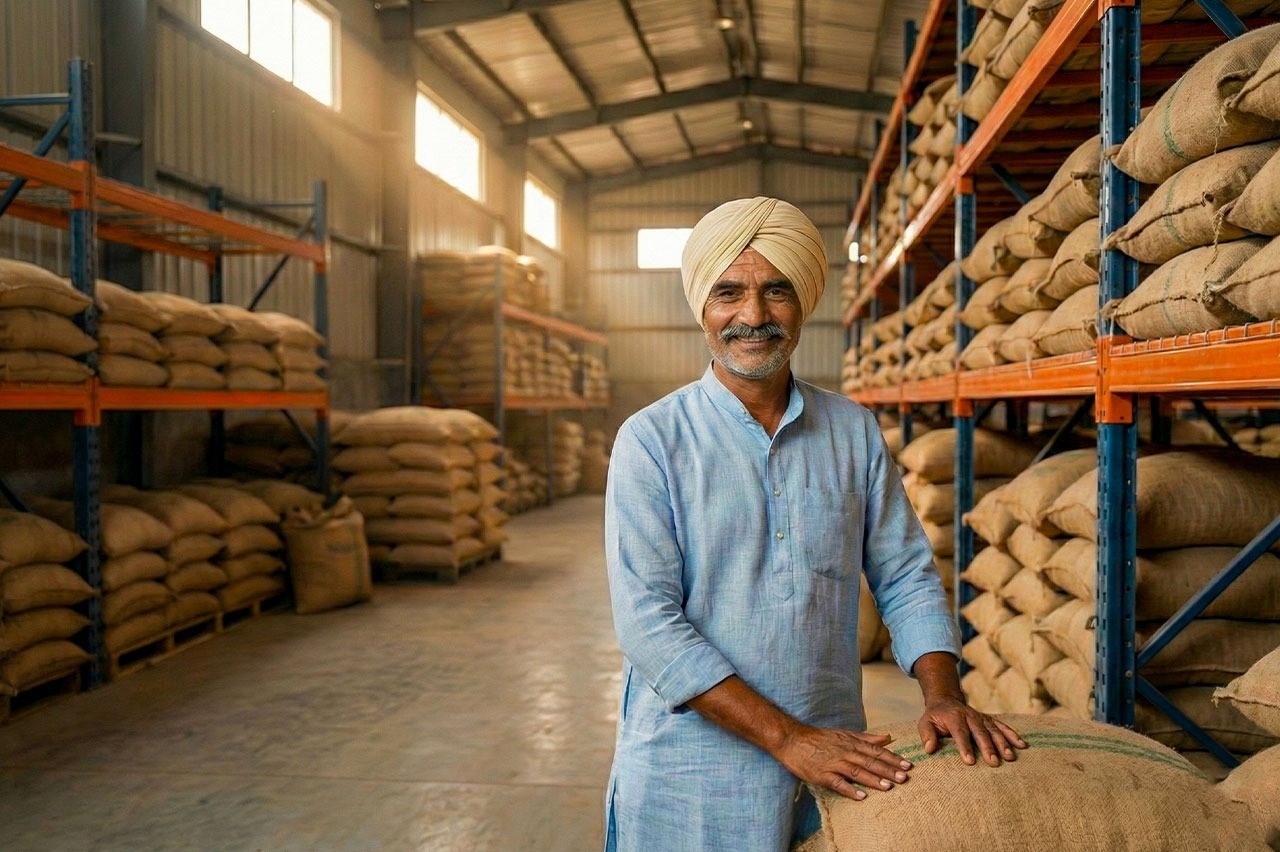
The true test of an agricultural season’s worth often comes after the harvest. For those in the business, the real work starts when the crops are off the field. It is in the space between harvest and the final sale that most of the value disappears—not just in sheer quantity, but also in quality and what the market will pay. SLCM has taken on this challenge by reimagining warehouse storage. We view it not as a simple storage area, but as a dynamic, scientific system designed to keep agricultural products safe from the unpredictable forces of nature and the market.

1. Protecting Agricultural Value Beyond Harvest: Why Storage Matters

In a traditional setup, the lack of proper post-harvest management creates a massive economic drain. When harvests all come in simultaneously, the market becomes saturated. Prices plummet, and those involved frequently have to resort to “distress sales” to prevent their goods from going bad. SLCM’s strategy changes the supply chain’s primary goal from simply “how much is made” to “how much value is maintained.”

By providing secure warehouse storage, we allow farmers, traders, and processors to wait for the right market conditions, directly improving ROI through better market timing. These facilities function as a regulatory bridge for the agricultural economy, absorbing the surplus during the harvest peak and releasing a steady, high-quality supply as needed, which is the only way to ensure true food security and supply chain resilience.

2. From Infrastructure to Intelligence: The Shift Towards Scientific Warehousing

For too long, warehousing was defined by the quality of the “godown” or the physical building. SLCM has moved beyond this with “Agnostic Excellence.” Our systems for warehouse storage are built to function independently of any specific infrastructure. We employ scientific optimization techniques that are effective no matter the underlying physical setup or location.

As of February 2026, this “Process-First” philosophy is active across more than 21,000 locations in India and Myanmar. We’ve replaced the four-walls-and-a-roof mentality with a strict regime of SOP-driven management. In this 2026 paradigm, the “intelligence” provided by real-time data and rigorous audits has completely replaced the “intuition” and guesswork that used to dominate traditional warehousing.

3. Managing Commodity Diversity: Storage Solutions Across Crops and Regions

Managing the wide array of agricultural produce is a complex task. A single warehouse storage solution simply won’t work. Each crop has its own unique biological clock and breathing pattern. SLCM currently oversees more than 1,600 distinct agro-commodities, and each is handled according to a specialized protocol. These protocols are designed to accommodate the specific shelf-life and sensitivity of each individual product.

This expertise extends to regional adaptability. Managing over 350 million sq. ft. of area means our processes must be calibrated for the diverse climatic zones found across 22+ Indian states and Myanmar’s industrial zones. Whether it is the humid air of a coastal region or the dry heat of the plains, our logic-based scalability ensures a uniform quality standard across every single square foot of warehouse storage we manage.

4. Risk Mitigation in Agricultural Storage: Controlling Moisture, Pests, and Quality Loss

Post-harvest losses, frequently estimated at 30% to 40%, are substantially caused by “Invisible Enemies” like pests, fungi, and fluctuating humidity levels within traditional warehouse storage methods. Our approach proposes a shift from reactive to proactive strategies, prioritizing preventative measures rather than corrective actions.

Our strategy involves a constant cycle of scheduled aeration, mechanical cleaning, and high-precision moisture mapping. This isn’t just about keeping the insects away; it’s about a “Zero-Loss Ambition.” We use scientific monitoring to ensure that the Grade-A specifications and the original nutritional integrity of the produce are exactly the same at the time of withdrawal as they were at the moment of deposit.

5. Cold Storage Management for High-Value Horticulture Produce

The horticulture sector faces the steepest challenges because fruits and vegetables are living, breathing products that perish rapidly. SLCM is driving a “Cold Chain Revolution” by managing more than 90 cold storages with a specific focus on cutting down the waste that usually plagues this sector.

We utilize IoT-enabled Digital Twins and Predictive Thermal Mapping to monitor every corner of these facilities 24/7. This allows us to identify and eliminate “hot spots” within the warehouse storage area before they can ruin a batch. This level of environmental control adds significant days, and sometimes weeks, to the marketability of perishable goods. For a trader, that extra time is the difference between a profitable season and a total loss.

SLCM’s scientific storage preserves crop quality over time, allowing stakeholders to avoid selling during harvest gluts and wait for better market prices, which significantly improves their total ROI.

It means our scientific processes and SOPs work in any building. We focus on process intelligence and data rather than the physical structure to maintain uniform storage standards everywhere.

We apply specialized protocols for over 1,600 commodities. Each plan accounts for a crop’s unique respiration rate and shelf-life, ensuring the specific biological needs of every product are met.

It is our commitment to maintain the exact nutritional integrity and Grade-A specifications of produce from deposit to withdrawal through preventative aeration, cleaning, and constant moisture mapping.

By using IoT-enabled Digital Twins, we monitor facilities 24/7 to detect and eliminate "hot spots." This precision prevents batch spoilage and extends the marketability of perishable horticulture goods.

While yield provides quantity, post-harvest management ensures "value preservation." Without scientific storage, 30–40% of produce is lost to pests and moisture, rendering the initial harvest efforts economically ineffective.

Agricultural Supply Chain Management in India: The Role of Warehousing, Procurement, and Technology

Agricultural Supply Chain Management in India

Introduction to Agriculture Supply Chain Management

Agricultural Supply Chain Management plays an important role in modern agriculture. It encompasses procurement, storage, quality tests, financing and distribution. A sound system ensures the commodities are delivered quickly from the farms to the market undeterred by quality losses.

SLCM understands that effective supply chain systems can minimize post-harvest losses and increase operational efficiency. The organization has witnessed a rising demand for facilities providing organized agri-logistics, driving a Phygital integration that provides farmers, processors, and markets with real-time scalability to meet global demand.

Importance of Efficient Agriculture Supply Chain Systems

Agriculture supply chains have faced issues such as fragmented networks with multiple intermediaries, which reduce farmer margins and limit transparency. Inadequate storage, limited visibility, and inefficient procurement systems further impact operations. Dependence on manual processes leads to errors, delays, and lack of traceability, while restricted access to formal financing often forces stakeholders to rely on informal channels. These challenges impact commodity quality and delay timely access to markets. Structured supply chain systems help address these gaps through defined processes and standardisation. They enable better handling, improved traceability, and consistent quality across the supply chain. With large volumes of commodities managed across multiple locations, organised systems become essential. Technology-enabled logistics networks further support visibility, coordination, and efficient movement of commodities at scale.

Role of Warehousing in Agriculture Supply Chain Management

Warehousing is an integral component of agriculture supply chain management. Warehouses, supported by structured warehouse management processes, ensure commodities are stored scientifically after harvest and handled efficiently before distribution. SLCM provides various warehousing options: Professional Warehousing, Exchange Warehousing; Warehouse Management Systems (WMS); PEG Warehousing Services, Warehousing for Organic Products, and Warehousing for Horticulture.

  • Professional Warehousing: SLCM manages complete warehouse operations by offering storage space on lease or long-term arrangements, along with defined processes for handling and storing commodities.
  • Exchange Warehousing: This service is designed for commodities traded on exchanges, where commodities are stored in SLCM warehouses under agreed terms with commodity exchanges.
  • Warehouse Management Services (WMS): SLCM provides end-to-end warehouse management for client-owned or leased warehouses, including stock management and operational support.
  • Preservation, Enhancement & Grading (PEG): SLCM offers value-added services to preserve commodity quality, enhance its market value, and ensure proper grading based on defined quality parameters.
  • Warehousing for Organic Products: Specialised storage solutions are provided for organic commodities, with processes aligned to maintain product integrity without standard fumigation. SLCM also uses Cocoon Fumigation to control insects and humidity without chemicals, ensuring safe storage for medium to long durations.
  • Warehousing for Horticulture: SLCM provides specialised storage solutions for horticulture commodities through its cold storage network. With real-time monitoring of temperature, humidity, and commodity quality, it helps reduce post-harvest losses and ensures proper handling of perishable produce.

Warehouses can support product quality, manage inventories and maintain the proper storage conditions for the products. The extensive network allows for greater ease of transport and handling of large volumes of commodities.

Procurement as a Critical Link in the Agriculture Supply Chain

The procurement process provides the link for the farming community, mandis, buyers and traders. Establishing an effective process for ensuring appropriate methods of sourcing and handling during the initial stages will allow for an efficient flow of commodities through to consumers.

At SLCM through our procurement operations, we conduct business throughout local and regional mandi networks, in multiple states to develop a strong agricultural ecosystem that benefits all stakeholders and allows for efficient sourcing of products, such as grains, pulses, spices, cotton and oilseeds.

By implementing a collaborative approach, we are creating an efficient and transparent supply chain that ensures end-to-end traceability and grade-standardization for every commodity across our network.

Technology and Digitization in Modern Agriculture Supply Chains

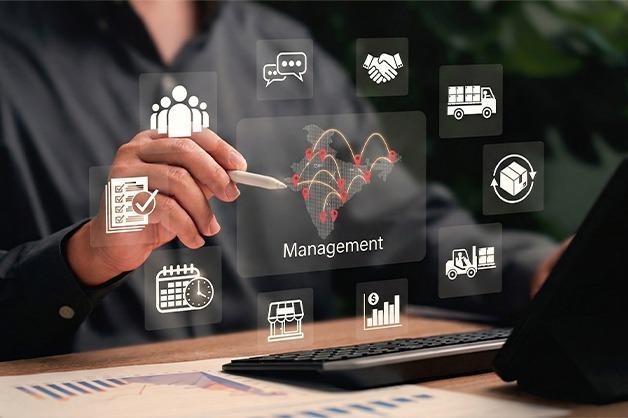
Supply Chain operations are changing due to technological advancements. The usage of digital platforms and integrated systems within SLCM enables management of operations in a more efficient manner.

By leveraging the Agri-Reach platform, we provide 24/7 visibility, automated quality inspections, and geo-fenced monitoring regardless of the warehouse location

Technology-based platforms also connect various stakeholders in the supply chain, thereby providing for better co-ordination and control.

Risk Management and Quality Assurance in Agriculture Supply Chains

Mitigating risk is an important factor in agriculture supply chain management; SLCM employs structured processes such as internal audits, inspections, and continuous monitoring to effectively manage and mitigate risks across the supply chain.

By utilizing advanced analytical laboratories to test commodities for quality and to ensure compliance with established testing standards, SLCM has been able to implement monitoring systems to monitor moisture content, storage condition, and overall quality of commodity.

Strong risk management practices are instrumental in building trust and providing a reliable agricultural ecosystem.

Final Thought

An efficient agricultural supply chain consists of warehousing, procurement, and technology. Integrated systems increase the quality, transparency, and operational control of an agricultural supply chain. For more information about how SLCM is changing the way logistics are handled in agriculture through its integrated solutions, visit the SLCM website where you will find additional information about the services provided.

agriculture supply chain management means managing how products move between farms and markets by ensuring that there are structured processes (systems) at each step of the supply chain.

Warehousing ensures that products will remain safe, have consistent quality, allow for easy handling of products to/from warehouses.

Procurement is the liaison between the farmer, the mandi, and the buyer for structured and recognizable sourcing.

It enables improved tracking of products in real-time, more effective coordination of transportation arrangements, and faster decisions are driven by real-time data analytics and edge computing at the warehouse level.

SLCM conducts audits, inspections and laboratory testing of products.

Risk management protects the quality of the product and promotes trust within the supply chain.

How Agri Logistics Companies Support Farmers and Agribusiness Growth: The SLCM Approach

Agri Logistics Companies

The Role of an Agri Logistics Company

An agriculture logistics company plays an important role in contributing to the agricultural post-harvest value chain. Since 2009, SLCM has been a pioneer in providing a technology-based agri-logistics platform by creating, testing and implementing scientifically designed systems for storage management. SLCM is now operational in over 21,000+ locations, 90+ cold storages, and more than 400+ million square feet of area under management with the goal of creating a scale and structure for post-harvest agri-businesses. We are providing efficient commodity management to farmers and agribusinesses throughout India by managing over 1300+ types of commodities and reducing post-harvest loss.

Scientific Commodity Warehousing for Post-Harvest Management

Agricultural commodities need scientific storage to retain their quality as soon as harvest occurs. SLCM helps preserve these commodities by providing scientific warehousing services through our diverse & vast warehousing network across India. Our wide range of warehouse services include; Professional Warehousing Management Services which provide structured handling and storage practices. The solutions provided by SLCM will help create optimum conditions for storage, monitor the health of the commodity and ensure warehousing operation efficiency. As a result of implementing scientific processes, your storage reliability and supply chain efficiency will improve.

Quality Testing and Monitoring of Agricultural Commodities

Agricultural quality assurance has traditionally been hampered by inconsistent testing practices and insufficient real-time monitoring. At SLCM we perform continuous and real-time quality assurance throughout the lifecycle of agricultural products from the point of harvest through to their final destination. Moisture level monitoring, scientific fumigation, periodic inspections, and stock condition assessments are just a few of the many quality checks we perform within our quality assurance process. Our ACL (Analytical Central Laboratory) carries out scientific analysis and quality testing of all agricultural commodities, using advanced methods and techniques. With this integration approach to both quality assurance and quality control, we are able to identify potential problems early, establish consistency in product quality, and guarantee that products remain of high quality during storage.

Technology and Risk Management in Agri Logistics

Technology is essential for managing warehouses and supply chains. SLCM uses a mix of physical warehouse infrastructure and digital technologies, such as GPS-enabled digital locks, centralized dashboards, and real-time monitoring systems, within its Phygital system. We rely on automated reporting, real-time inventory tracking, and digital monitoring tools to help ensure accurate management of our operations. We are further supported by structured risk mitigation processes that will provide audit mechanisms, real-time data monitoring, and controlled operational workflows to allow us transparency, thereby reducing risks and supporting better decision-making throughout the agri logistics company as a result of using the integrated physical and digital systems. Efficient and dependable agri logistics operations will be achieved through this Phygital system use.

Supporting Financing and the Agricultural Value Chain

A vital aspect of agricultural development is access to capital. Structured collateral management services from SLCM have facilitated access to capital for growers, and agribusinesses through the collateralisation of economically produced commodities that are stored scientifically as part of a collateralisation process for ​warehouse receipt based financing solutions. With this process in place, SLCM works closely with banks, NBFCs, and financial institutions to ensure the safe and secure management of stored commodities. By facilitating access to capital, we enable farmers (and agribusinesses) to realize the full value of their stored commodities while maintaining the quality of their commodities according to required domestic/international standards. This contributes to an overall liquidity increase within the agricultural ecosystem and supports continued business growth within the agricultural sector.

Conclusion

The importance of a properly functioning agri logistics system is key in providing assistance to farmers and helping farmers and agribusinesses develop through warehousing, continuous quality control, technologically advanced systems, and financial aid. At SLCM, we offer both operational scale and innovations in order to provide a greater degree of efficiency, transparency, and reliability within the agricultural supply chain. Find out more about SLCM and the integrated solutions of agri logistics, warehousing, and complete supply chain systems by going to the SLCM website.

They are responsible for the management of post-harvest activities specific to agriculture including the storage, monitoring of quality and management of supply chain for agricultural commodities.

Scientific warehousing preserves the quality of commodities, minimizes losses and enhances storage efficiency for farmers.

SLCM's quality control system is in real time and continuous with support from scientific tests performed at the Analytical Central Laboratory.

SLCM's Phygital System integrates a physical warehouse and digital technology, which allows for the monitoring and controlling of activities in real time.

Commodities stored in warehouses have the ability to be used as collateral when obtaining warehouse receipt based financing.

Technology provides greater transparency and reduces risk while assisting with the efficient management of warehouse operations and the supply chain.

The Role of Technology in Commodity Management Services: How Adds Value in 2026

Commodity Management Services

As India’s largest one-stop post-harvest Agri-logistics platform, Sohan Lal Commodity Management Ltd. has grown by staying focused on what truly matters in agriculture; reliability, discipline, and continuous improvement. Over the years, we have built a phygitally connected agri value chain that brings scientific warehousing, food grain protection, pest management, NABL-accredited quality testing, certification, and collateral-backed financing together in a practical and well-coordinated manner.

Our Phygital model simply means that strong, on-ground infrastructure is supported by intelligent digital systems working quietly in the background. Through this approach, SLCM provides structured and transparent commodity management services to farmers, traders, processors, financial institutions, exchanges, and government bodies. From the time a commodity is stored to the time it moves out, every stage is transparent and carefully monitored. This practical, technology-enabled approach brings clarity, strengthens trust, and ensures stakeholders always have complete visibility into every stage.

Phygital Integration across the Value Chain

We have built an ecosystem where procurement, trading, warehousing, collateral management, and agri-financing operate on a single, connected platform. Powered by SAP-enabled warehouse management systems, AI and ML-based quality check applications, automated audits, and centralized monitoring, the Phygital framework keeps every part of the operation connected. Instead of teams working in isolation, information moves smoothly across functions, making day-to-day coordination easier and more reliable.

This connected system helps teams decide faster, work with better clarity, and grow into new regions without losing control of operations. SLCM’s commodity management services deliver efficiency that stakeholders can genuinely see and rely on by bringing together real-time insights and disciplined on-ground processes.

Smart Warehousing and Real-Time Monitoring

Our approach to warehousing is a structured, tech-savvy way of protecting commodities scientifically. We provide 24/7 real-time CCTV monitoring of commodities through the state-of-the-art Agri Suraksha, using centrally located solar powered 4G SIM-based cameras and GPS-enabled electronic locks to prevent unauthorized entry into the warehouse. As a result of our automated audit applications and real-time reports, we are able to initiate immediate action against any suspicious activity while achieving operational excellence, security and accuracy at all our warehouses across the country.

AI-Driven Quality Checks and Digital Operational Tools

At SLCM, , quality control is powered by Agri Reach, an AI/ML-powered quality check application, the first of its kind in the industry to scientifically deliver instant report on the quality of  commodities. By scanning and uploading a picture of the commodity in Agri Reach through a smart-phone, it generates a fully transparent and auditable report promptly. As of 31 January 2026, a total of 3,46,865 inspections have been conducted in 22 provinces covering 102 different types of commodities with an overall volume of 17.75 million metric tons. A centralized database records both real-time and consolidated inspection data. Combined with centralized monitoring, this system supports effective quality control and helps maintain consistent quality standards across the warehouse network.

Phygital Warehousing Model

The Phygital warehousing model, blends both physical infrastructure and advanced digital monitoring, to establish a single agricultural value chain.The model is supported by patented systems that enable real-time data management and real-time monitoring of quality control data within the warehouse management system. Integrated with SAP-enabled operations, automated audit applications, and 24×7×365 surveillance, this technology framework supports structured processes and transparent reporting across 21,000+ warehouses in India and Myanmar. By having a combination of an SOP and risk-based monitoring, the model is agnostic to geography, infrastructure, crop, or climate, allowing for rapid growth while maintaining consistent standards.

Technology-Enabled Collateral Management and Financing

Our collateral management solution uses process as well as technology to allow stored commodities to be used as reliable security for a loan. After a commodity is stored, a storage receipt is issued and the attribute of quantity and quality is effectively managed by a combination of real-time measurement and monitoring, automated assessments, along with facilities for centralizing surveillance of both the commodity and the storage locations. This transparent process allows banks or financial institutions to have confidence in providing financing because the commodity will be monitored continuously and will be available to be liquidated as needed. By providing both disciplined warehousing procedures and constant monitoring of a commodity, we build trust among all parties involved in the supply chain, including lenders, traders, processors and the larger commodity-related sector.

Scientific Testing and Quality Assurance

Our quality standards are based on scientific methods. We test commodities for quality at our NABL-accredited analytical laboratories using standards that assure consistent and precise testing without exception. Each of our SOP defines how quantity and quality will be evaluated through defined processes, visits to storage facilities, and using composite control samples for periodic quality assurance of tested commodities. Regular maintenance, fumigation, etc., help to ensure the health of stored commodities, as well as that uniform quality standards are achieved during transportation and storage.

Future Outlook: Technology-Led Commodity Ecosystem

The digitization of logistics will continue to enhance the flow of commodity logistics through phygitally integrated agri value chain linked with real-time data, AI/ML-driven quality systems, centralized control systems and automated audits. All of the various means of creating transparency in the agri commodity ecosystem will be aided by SLCM’s patented monitoring systems and integrated digital platforms. We continue to create a technology-based, transparent and efficient, commodities based ecosystem via structured policies, concurrent monitoring for compliance and scalable infrastructure across multiple geographies.

Use Technology to Strengthen Your Commodity Strategy

Work with SLCM in order to utilize structured warehousing, real-time monitoring, an AI-based quality evaluation, and technology-based collateral management to support a secure, transparent, scalable and disciplined commodity ecosystem driven by robust digital infrastructure.

Q.1 What makes SLCM’s technology-driven commodity management services?

A. Real-time data systems, AI/ML quality checks, automated auditing and complete management of the entire warehouse network are all integrated at SLCM.

Q.2 What benefit do stakeholders derive from the Phygital warehousing model?

A. The model provides stakeholders with both the physical infrastructure (warehouse) and the digital monitoring systems to ensure transparency, operational control and end to end visibility of commodities.

Q.3 How to use commodities as collateral in financing?

A. Digitised storage receipts and real-time monitoring allow financial institutions to treat stored commodities as secure collateral for loans.

Why SLCM is a Leader in End-to-End Commodity Management Services

Commodity Management Services

The many post-harvest challenges in India, such as poor storage, lack of financing solutions, and limited transparency, affect not only farmers and traders but also reduce the quantity and quality of food reaching consumers, posing a serious risk to national food security. For many years, stakeholders have been operating under these issues, and it has caused them to lose substantial value between the farm gate and market.

A reliable and comprehensive commodity management services are critical to mitigate these issues. We at Sohan Lal Commodity Management Ltd. had witnessed these challenges first-hand and took action to change the paradigm. Scientific handling, efficient operations and audit processes , and the implementation of advanced and effective technologies has been the mantra of SLCM since inception.

What is Unique About the Way We Manage Commodities?

Our approach goes beyond merely storing crops; we deliver a complete solution for managing your commodities from the moment commodities arrive in our warehouses, to their quality testing, inventory management, and constant audit checks outward of the commodities.

Commodities are stored in well-managed conditions, with real-time inventory tracking and regular audits to ensure transparency and protect their value.

This level of end-to-end oversight makes agri-financing more secure, as lending is supported by verified stock and reliable data. Before dispatch, final quality and quantity checks are carried out to ensure consistency and build trust across the supply chain. By bringing warehousing, quality control, inventory management, audits, and financing together in one system, we remove gaps and deliver dependable outcomes for all stakeholders.

By employing an integrative approach, we are able to eliminate the gaps, confusion, and inconsistent benefits to our stakeholders’ respective supply chain processes.

With a strong network of 21,000+ warehouses spread across India and Myanmar, we are able to stay close to key agricultural regions and provide storage support where commodities are actually produced and traded. All locations in our network utilize the same set of established procedures for managing different commodities throughout their respective storage locations in a consistent manner. Since our systems can support many different types of agricultural commodities, our storage methods for agricultural products are the same in all areas. This has provided greater consistency to previously fractured markets, simplifying compliance and reducing operational risk for the day-to-day management of various agricultural products.

Technology That Works For You And Your Business

We are not a traditional warehousing company. Our phygital approach integrates on-ground warehousing infrastructure with technology-enabled systems designed for scientific storage and commodity management. Through digital platforms, we enable real-time tracking of stock positions, scientific quality testing and assaying, monitoring of warehouse conditions, surveillance-enabled security, and audit-ready operational records. This provides stakeholders with continuous visibility, control, and assurance over the safety and status of their commodities.

Moving away from paper-based processes has made day-to-day storage operations much easier to manage. Information is recorded automatically, quality checks are carried out regularly, and digital audit trails keep track of every activity. This helps teams respond faster when needed, reduces the chances of unexpected issues, and keeps commodity management running smoothly and consistently.

A Phygital Approach to Scientific and advanced Commodity Management

SLCM uses a Phytigal model to help manage commodities effectively. This approach brings together physical warehousing infrastructure and digital systems to improve the overall process of managing commodities. By combining both of these processes, we can enhance visibility, control, and tracking of goods during their lifecycle. By having a physical and digital presence throughout the commodity’s life, Our network can function more efficiently and consistently across the warehouse network, thus providing quality service to our customers.

Quality and Compliance Without a Trade-off

There is more to good storage than simply having four walls and a roof. Good storage requires trained individuals, certified processes, and strict protocols. Our warehouse operations follow standardised processes across all locations. Additionally, we conduct routine laboratory testing and quality assessments of our stored products.

Due to our level of discipline, we have become a trusted partner for 25+ Financial institutions and various corporates that simply cannot risk anything happening to their stock. When regulatory pressures are heightened, or when the market shifts, we are always prepared.

Building trust takes time and consistent delivery of services (also add that risk has been efficiently managed by us). That’s what we have done year after year with our customers in the agricultural space, farmers, shippers, processors, and financial institutions.

We’ve helped to professionalize the Commodity Management Service industry, which continues to evolve and adapt to meet the demands of the market. As the market evolution and requirements of each market continue to change, the SLCM commitment to operational excellence never changes.

We Provide What No One Else Can Provide

Leadership is not about what one says; it is about what one does. Our warehouse process , technology platform and commitment to quality will allow you to rely on our services for all of your information needs across India’s agricultural value chain. Post-harvest needs of farmers and businesses continue to increase. As those needs evolve, we continue to focus on our customers and what matters to them: reducing crop loss, ensuring compliance, managing risks effectively, protecting stored commodities, and, providing commodity management services that deliver real value.

True leadership in the commodity management space comes from executing rather than making claims. SLCM has a broad-based warehouse network coupled with technology-driven processes that produce and sustain superior quality service to its clients.

As the agricultural value chain continues to change, SLCM remains focused on continued efficiency, continued reduction of post-harvest losses, and providing reliable commodity management services to continue to develop thereby assisting all participants in achieving sustainable growth.

If you want a partner who knows about commodities, has a national presence, and utilizes technology to provide solutions for the long term, contact us. SLCM can help you find the perfect solution for your storage and management services.

Q. What is it that makes SLCM different in the commodity management space?

A. SLCM uses large-scale operations to combine with technology-driven monitoring, strict quality based procedures to ensure a consistent manner of handling commodities throughout the diverse regions of India.

Q. Will you offer a complete commodity life cycle?

A. Yes, SLCM is committed to providing all aspects of the commodity life cycle, including warehousing, quality assessment, inventory tracking and compliance, meaning it provides complete end-to-end services (from storage to monitoring) for a commodity.

Q. How can your technology improve my operations?

A. Our technology platforms provide the ability to access real time visibility, standardised report formats and quality monitoring, allowing for reduced risk and increased visibility during the entire time a commodity is stored within our facilities.

Q. Who can benefit from utilising SLCM's services?

A. Through the use of our structures for storage and quality assurance, those in agriculture (farmer, trader, processor, exporter, financial institution, and government agencies) can all benefit from our systems and processes.

Q. How do you ensure the quality of commodities?

A. Through scientific methodologies, routine inspections, laboratory testing, and established processes SLCM maintains the highest standards of quality and quantity of goods throughout the entire storage cycle of a commodity.

How SLCM Helps Farmers Reduce Post-Harvest Loss Through Better Storage of Agricultural Produce

storage in agriculture

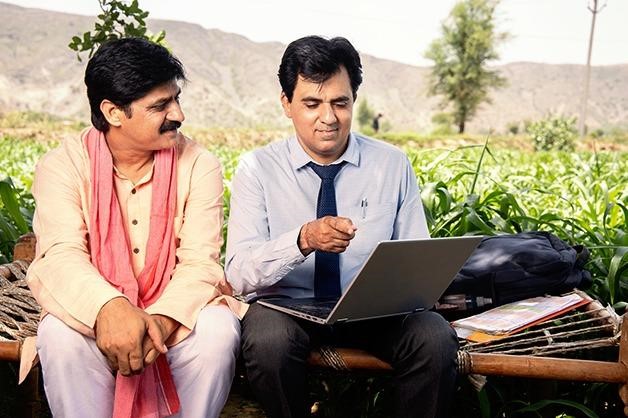
In agriculture, the journey does not end at harvest. Farmer income depends on many factors, including the quality of food grains, market prices, weather conditions, and other real-world influences beyond their control. Across India, a large share of agricultural loss happens after the crop has already been harvested. In many cases, the commodity leaves the field in good condition, but once it is moved into substandard storage, quality starts to drop. Moisture in the air, pests, and uneven or rough handling slowly affect the commodity. These issues are not always obvious at the start, but over time they reduce value and limit market options. This is why the storage of agricultural commodities becomes so important after harvest.

A key reason for these losses is that storage in agriculture has often been fragmented or inconsistent. When storage conditions are not checked regularly, even small changes in moisture or temperature can quietly damage the commodity and lead to avoidable losses. As a result, farmers and organisations working at the grassroots level are often forced to sell early, even when prices are not favourable.

About Sohan Lal Commodity Management Limited

Sohan Lal Commodity Management Limited, commonly known as SLCM, has dedicated its mission to strengthening post-harvest management across various geographies. Over the years, the company has focused on bringing structure, discipline, and transparency to how agricultural commodities are stored and managed after harvest. SLCM’s role goes beyond providing warehouse space. The focus is on ensuring that commodities are stored in a controlled and well-managed environment so that quality is protected and losses are reduced.

Storage Designed for Agricultural Commodities

At SLCM, storage and warehouse management are designed to be flexible and agnostic to commodity, weather, and geography, making it possible to store a wide range of agricultural products across different regions without difficulty. After harvest, every commodity reacts differently. Some may be highly sensitive to moisture, while others may require better temperature control or careful handling. Because of these variations, SLCM follows scientific storage practices that match the specific needs of each commodity.

Good storage practices help avoid many common problems such as insect infestation, moisture buildup, and gradual damage that can occur when commodities are not stored properly. This includes keeping warehouses clean, maintaining proper airflow, carrying out regular quality checks, and ensuring careful handling at every stage. When these simple but consistent practices are followed, agricultural commodities are able to retain their quality and stay in good condition for a longer time.

Bringing Better Control into Storage Operations

One of the long-standing challenges in storage in agriculture has been limited visibility. When storage conditions are not checked often enough especially before inward of the commodities, small issues can remain unnoticed and slowly cause damage.

To address this, SLCM keeps a close watch on storage conditions, commodity movement, and inspection schedules across its facilities. This helps bring better control to the Storage of Agricultural Produce. When changes are noticed early, action can be taken in time, before the commodity quality is affected. Over a period, this reduces uncertainty and improves reliability in storage operations.

Maintaining Quality through Regular Checks

Quality does not stay consistent on its own. It needs regular attention. At SLCM, commodities are checked at different stages while they are in storage. These checks help ensure that storage conditions remain suitable and that quality standards are being followed.

Along with inspections, Standard Operating Procedures (SOPs) help reduce risks associated with handling and storage. This approach strengthens storage in agriculture by preventing small issues from turning into major losses. Post-harvest loss is reduced utilizing physical and scientifically-based methods of storage, with protocols that are consistent for storage around the world, utilizing technology to monitor and control storage conditions, and ultimately to monitor and manage the level of quality assurance of individual products stored in warehouses. The patented Agri Reach tool developed by SLCM provides Risk management, Real time Tracking, Auditing, and Digital Warehouse Management to reduce losses from 10% to 0.5% or less based on the validation of FICCI.

Allowing Better Decisions after Harvest

Reliable storage creates flexibility. When Storage of Agricultural produce is dependable, stakeholders are not forced to rush their decisions immediately after harvest. Commodities can be stored safely while waiting for better market conditions.

SLCM supports this flexibility by offering professionally managed storage environments that allow better planning. This reduces the need to sell in a hurry and gives stakeholders more control over when their commodities are sold.

Strengthening the Post-Harvest Ecosystem

Improved storage for agricultural products helps everyone involved in the agricultural supply chain by providing a better end product with fewer losses and therefore more consistent quality as well as smoother movement of commodities through the supply chain. Supporting and encouraging storage systems to operate effectively ultimately reduces the burden of other areas of the value chain due to improved efficiencies within those systems.

By using consistent processes and daily operations, SLCM supports advancement of Post-Harvest Management. Over time, this builds confidence in how agricultural commodities are stored and handled after harvest.

Work With SLCM for Reliable Commodity Storage

If reducing post-harvest loss is important to your operations, SLCM offers storage solutions built around experience, consistency, and scientific practices. Work with us to protect commodity quality and strengthen post-harvest outcomes through better storage systems.

Q1. Why is Storage of Agricultural Produce Important after harvest?

A1. Once the crop is harvested, it becomes very sensitive. If it is not stored properly, moisture, pests, or handling can spoil it quickly and reduce its value.

Q2. How does SLCM help reduce post-harvest loss?

A2. SLCM management of commodities - quality and quantity from the both aspects. Commodities are kept in suitable warehouses, checked regularly, and handled carefully so quality does not drop after harvest.

Q3. What challenges affect storage in agriculture?

A3. The biggest issues are moisture, temperature changes, pests, and rough handling. Even small mistakes in storage can slowly damage the commodity.

Q4. How does scientific storage improve outcomes?

A4. When storage is done properly, the commodity is kept in steady conditions and handled with care. This helps it stay in good condition for a longer time.

Q5. How do improved storage systems benefit those that utilize them?

A5. Improved storage systems allow for better storage for all users. Farmers lose less, traders receive improved quality, supply chain management becomes easier.

Q6. How does proper storage enable improved pricing?

A6. Because commodities are stored securely, farmers have no need to sell quickly. They can wait until a better opportunity arises to sell their commodities.

Future of Warehouse Management in Agri Logistics: Trends to Watch in 2026

Agri Logistic
Agri Logistic

Warehouse management in agriculture has been changing slowly over time. It is no longer limited to keeping produce under a roof. As the agri ecosystem has expanded, warehouses have started playing a much larger role. Today, warehouses do more than store the commodity. They help farmers connect with traders, make access to finance easier, and ensure commodities reach the market on time.

By 2026, expectations from agri warehouses will grow further, especially around how crops are handled, how processes are followed, and how transparent operations are.

At Sohan Lal Commodity Management, we have seen this shift first-hand through decades of work in the agri sector. Working closely with farmers, processors, lenders, and buyers has given us a ground-level understanding of how warehousing actually works and where it often fails. This experience shapes how we look at the future of warehouse management and what businesses need to prepare for.

Warehousing Warehouses are no longer just storage spaces.

Earlier, they were mainly used to hold stock until it was sold. That approach is no longer enough. Warehouses now help protect the value of commodities and reduce risk across the supply chain. A small gap in storage or handling during the agricultural business process can adversely impact quality, price and relationships throughout the entire supply chain.

With 2026 rapidly approaching, consistent standards will be expected from all warehouses. This will require clearer processes, better trained staff, and closer supervision in the field. For warehousing to be reliable, it takes more than just having systems in place. It takes a disciplined daily approach, supported by experienced professionals with deep knowledge of the commodities being handled, who carefully oversee every step of the process in strict adherence to established standard operating procedures.

The shift toward phygital warehousing models

New technologies are changing the way we operate warehouses; however, technology will not replace humans. Phygital warehousing combines digital tools with physical infrastructure. The combination of these two sets of tools allows for improved efficiencies in the operation of warehouses with human oversight and decision-making.

In agri logistics, there is now a need for accurate and timely data on inventory, quality and movement of commodities. Digital systems simplify the process of working with this data by providing a means to record and track the movement of commodities, while trained employees on site will ensure that proper operational procedures are being followed. At SLCM, we have continued to develop our phygital warehouse operating model to enhance transparency and improve confidence within the supply chain.

How Warehouses Help Build Financial Confidence

One of the most significant shifts will be the deepening link between warehousing and finance. The growing adoption of electronic and negotiable warehouse receipts will allow stored produce to function as a liquid, finance-ready asset.

Continuing Sustainability and Responsible Storage

Sustainability is gaining unusual importance within the agriculture sector. Through efficient warehouse management, waste and resources are minimized, and the overall quality of agricultural commodities is maintained and preserved. By reducing the amount of spoiled commodities, a warehouse creates an economic benefit for the environment.

The trend toward sustainability within warehouse operations is becoming increasingly intertwined with the overall performance of the warehouse. Energy-efficient operations, space optimization and responsible commodity storage, will define the future of a warehouse’s ability to be sustainable. In terms of agriculture logistics, warehouses will also provide for the protection of the farmer’s crop while at the same time providing the opportunity for fair value realisation.

This type of QA process also reduces losses and protects the interests of all stakeholders involved in the supply chain. Risk management in agri logistics is no longer an option, but rather is becoming an expectation within our operations.

SLCM: Strengthening India’s Agri Logistics Through Trusted Warehouse Management

Sohan Lal Commodity Management has been a significant part of India’s Agricultural Supply Chain Ecosystem by managing agricultural commodities for many years across multiple different regions. We have extensive experience managing warehousing and collaterals and are experts at quality and risk mitigation practices. SLCM is an integral player in developing the future of agricultural logistics and creating an ongoing ability for our supply chains to create sustainable growth by maintaining a culture of uniformity, trust, and transparency.

Preparing for a Future That is Dominated By Agri Logistics

As we approach 2026, the operations within agri logistics continue to become more complex, leading to increased stress on Warehousing and increasing importance on the operations of warehousing as it relates to agriculture logistics. How effectively warehouse facilities are operated in the future will ultimately determine how well the entire agricultural logistics network will operate.

Sohan Lal Commodity Management has continued its investment in technology as well as process improvement to support the continuing growth of agricultural logistics through our extensive development of warehouse capabilities and process improvement. As we continue to invest in and improve our capabilities and practices, it is through our investment in experience and technology that we hope to strengthen the agricultural logistics ecosystems.

If you are looking for a partner that will help strengthen your supply chain, please contact us to learn more about how SLCM’s warehouse management solutions can confidently support your business.

Understanding Agriculture Supply Chain Management and Its Growing Significance

Agriculture Supply Chain

Agriculture is the mainstay of India, but the journey from harvest to market is still complicated, fragmented, and extremely vulnerable to waste. An efficient system needs to be coordinated and technology-enabled. This efficiency is supported by a Phygital approach, where physical processes are enhanced through digital oversight to maintain reliability at every step. This is where agriculture supply chain management comes into play. At SLCM, we have built a singular solution to ensure that commodities flow through storage, processing, financing, and delivery seamlessly and with accountability.

Defining Agriculture Supply Chain Management

Agriculture supply chain management encompasses every activity that links a farm to a consumer, including handling, warehousing, quality inspection, procurement, and collateral management, among others. Each quotation that doesn’t flow creates a loss of value and availability. SLCM plays a critical role throughout the commodity chain, ensuring that it is safe, of high quality, and traceable. With pan-India operations managing over 1200+ different types of commodities in India, we support every agri-stakeholder from farmers to millers, processors, traders, and banks.

Significance of Warehouse Management Companies

Post-harvest wastage remains a critical issue for the agricultural economy. For commodities, without scientific storage and tracking, they will lose market value. Companies managing warehouses like SLCM provide stability for the system through secure and technologically managed storage facilities. SLCM has over 21,000 warehouses in its network (as on October 2025), managing storage capacity greater than 350 million square feet, so at any time across India, we are able to offer consistency with quality and safety throughout.

Real-time tracking, surveillance, and strong operational controls can help maintain the right conditions within the warehouse. Thus, warehouse management companies can support the integrity of the supply chain and reduce the financial risk for producers and buyers.

Quality Assurance and Traceability

The value of any commodity depends on its quality and condition. Warehouse management systems provide transparency and trust in their transactions. SLCM deploys AI powered quality testing in real-time that provide immediate reports and NABL accredited laboratory support to verify the quality of stock stored in their warehouses. This process empowers farmers with price negotiation, provides pricing transparency, market acceptance, and builds greater confidence in the time of producers and buyers in agricultural supply chain management.

Establishing Financial Empowerment with Collateral Management

Agriculture has a critical demand for timely capital, and when crops are properly stored and tracked accurately, they can become a non-volatile source of collateral. SLCM helps to facilitate access to finance through a digitized storage receipt. A storage receipt issued by SLCM serves as verified proof that the commodity is physically present in the warehouse, allowing it to be used as secure collateral for financing. This provides farmers, aggregators, and traders access to the value of their commodities. Our collateral management services are a critical utility in developing the agri-economy and elevating liquidity wherever needed.

A Network That Connects Access and Scale

India’s agricultural markets are vast and diverse in product. Generating seamless execution involves having the retailer geographically covered with clearly defined processes. With operations across 950-plus mandis and a deep regional infrastructure in access and operations, SLCM fulfills proximity and convenience to the agri-retailer ecosystem.

The Role of Technology in Progress

We have innovation in line with the physical. Smart analytics and digital oversight complete risk forecasting, maximize utility, and enable complete visibility. SLCM operates through a Phygital model, combining physical infrastructure with digital intelligence to deliver better speed, accuracy, and traceability across the agri-value chain. SLCM incorporates technology into agri-logistics and finance with a set of professionalism and responsiveness that distinguishes it as unique. 

The Role of a Strong Agricultural Supply Chain

Supply chains that support a strong agricultural future are resilient, connected, and inclusive. An effective agriculture supply chain management system enables food security, equitable pricing, waste reduction, and enhanced income opportunities. Sustainability solutions support our endeavor to build systems that optimize productivity, thereby enabling growth for a connected and integrated agriculture value chain. Our expertise, infrastructure, and digital capabilities generate trust from the farm gate to the final buyer.

Final Thoughts

The agricultural ecosystem is dynamic, and so is the outlook from each of the participants. Organizations that seek to understand the complete journey of commodities and provide integrated solutions to drive real value to the agriculture ecosystem must exist. SLCM is the unrivaled leader in India, having demonstrated outcomes, operational excellence, driven by a mission to support, uplift, and empower the agricultural economy in India.

Connect With Us

If you are looking for help in storage, procurement, or logistics with a firm that understands this sector really well, SLCM would love to partner with you. Allow us to bring your supply chain together to make your business grow confidently.

Q1. What is agricultural supply chain management?

A1. Agricultural supply chain management refers to the coordinated movement, storage, processing, and delivery of agricultural commodities from the farm to end consumers by maintaining quality and traceability.

Q2. Why is agricultural supply chain management important?

A2. Agricultural supply chain management helps reduce post-harvest losses, improve pricing, support food security, and farmers' and traders' profitability.

Q3. What role do warehouse management companies play in agriculture?

A3. Warehouse management companies provide scientific storage of crops, operational control, and protection of inventory. This is an integral part of maintaining quality and value through the chain.

Q4. In what ways does SLCM help farmers and traders?

A4. Warehouse, quality testing, procurement services, and collateral management services that will provide better market access and economic empowerment.

Q5. In what ways does technology improve the agricultural supply chain?

A5. Digital monitoring, quality checks, AI-based, and data-driven operations improve accuracy, predict risk, and positively impact decision-making.

Q6. Can proper supply chain management facilitate greater financial liquidity?

A6.Yes. Secure warehouse storage and sets of documented inventory can help facilitate financing against stored commodities.

Leading Agricultural Warehousing & Commodity Management Solutions

Agriculture Warehousing

Your Trusted Partner in Agricultural Warehousing and Commodity Management

In a nation where agriculture supports millions of livelihoods, the manner in which commodities are stored and managed will determine the success of the entire value chain. Sohan Lal Commodity Management (SLCM) is now a trusted name as a leader in reliable, technology-enabled solutions that provide efficiency, transparency, and trust in the agricultural sector. As a leader in the Agricultural Warehousing and Commodity Management business, we leverage experience with innovation to create measurable value for all stakeholders, including farmers, traders, SMEs, financial institutions, and corporations.

Establishing Trust Via Scientific Agriculture Warehousing

At SLCM, we believe that every grain is important. Our agriculture warehousing structure is created on a solid science foundation for commodities that will be stored in an optimum environment protected from losses and stability in quality parameters. We have a large footprint across India that covers multiple commodities (grains, pulses, oilseeds, spices, perishables, etc.)

Every warehouse will utilize a rigorous process for managing the life cycle of commodities that includes  inward , grading, and maintaining the commodities stored with the support of stringent quality checks, regular audits, outward and so on. Warehouses are being selected according to SOPs and are strategically located to enhance accessibility and streamline logistics for our clients, which instills confidence and comfort in SLCM and the commodities they store with us in the long term, supporting their supply chain. Over many years of performance, SLCM has been able to further instill trust in our partners by providing agricultural warehousing as a value-added service, not just a commoditized or valueless storage space and service.

Providing Dependable Warehouse Management Services

SLCM goes beyond mere storage and provides integrated warehouse management solutions that guarantee best practices and uniformity across multiple locations. We manage all aspects of client-owned and leased warehouses, including workforce hiring, inventory audits, real-time monitoring, and reporting of inventory metrics. SLCM ensures robust transparency and security – from inventory audits, 24/7 digital surveillance, AI-based anomaly detection, to insured risk coverage – safeguarding client assets in warehouse operations.

SLCM operates a nationwide network of 20,000+ warehouses across 20+ states and 950+ mandis, managing over 1,100 commodities with consistent quality and efficiency. Our warehouse management services can be customized, scalable, and designed based on client needs. Whether we are managing commodities on behalf of a bank, corporation, or local government entity, we ensure that a programmatic approach is used to deliver outcomes that build trust across all stakeholders. We subsequently reinforce that trust through testimony of reportable analytics and visibility of operations.  Through this, we assure clients that they can confidently make informed decisions regarding their inventory.

Beyond Storage: The Phygital Edge

What makes SLCM different is our Phygital approach, which integrates physical functions with digital intelligence. Our deep field knowledge, combined with leading-edge technology, such as Agri Reach, provides real-time monitoring, digital reporting, and predictive analytics for all warehouses. This Phygital model allows us to be more proactive, increase efficiency, and reduce risk. By connecting the traditional warehousing experience with growing data-driven operational capabilities, we unite your teams on every level to provide a solution that allows every stakeholder to benefit from the advantages of both approaches – physical trust and qualification with digital transparency. This model not only decreases losses but also increases depth of trust, accountability, and real-time, verifiable knowledge of each action taken.

Making Sure Quality, Compliance & Confidence

At SLCM, quality is not negotiable. Our agriculture warehousing operations are backed by frequent audits, established operating procedures, and strict compliance and safety standards. Each of the warehouses are designed to address the specific needs associated with each commodity, whether conventional or organic, dry or perishable.

Our clients choose us because they know their commodities are secure in our hands. Our proven systems, experienced people, and transparent reporting will consistently yield results, leading to further confidence in the process. We see each storage operation as a responsibility, and recognize it is a responsibility that impacts lives, the market, and confidence.

Working Together For a Sustainable Tomorrow

SLCM is dedicated to more than just the business of agriculture every day. SLCM delivers warehouse solutions that are independent of infrastructure and geography, ensuring consistent performance across states and commodity types. Through innovative ideas, efficiency, and accountability, we help create a more sustainable and resilient food system.

The ongoing relationship with our clients and repeat customers is an indication of the trust we have built through our performance, integrity, and consistent value creation.

The SLCM Promise

Developing India’s agricultural sector will require more reliable, transparent, and technology-driven services. We at Sohan Lal Commodity Management are prepared to shape that future through our national-scale integrated post harvest management solutions  and a Phygital model and experience that create efficiencies and build trust.

SLCM, we consider trust to be earned by achieving outcomes, transparency, and strong commitment – all core tenets underpinning every aspect of our enterprise activity.

Partner With A Name You Can Trust

If you are looking for agricultural storage and warehousing solutions with an emphasis on technology and expertise and a partner you trust, reach out to Sohan Lal Commodity Management. Together, we can establish an agri logistics value chain that is more transparent, efficient, and willing to face the future.

Q1. What is notable in SLCM's Phygital model?

A1. Our Phygital model is a blend of our physical infrastructure and digital solutions to deliver visibility, efficiency, and full transparency of our warehouses.

Q2. What commodities does SLCM manage?

A2. We also manage a broad range of commodities such as grains, pulses, oilseeds, spices, and perishables, and we have collateral management solutions for each of them.

Q3. Does SLCM provide warehouse management services for clients' owned properties?

A3. Yes, providing warehouse management solutions to manage owned and leased warehouses from end-to-end operational and compliance solutions.

Q4. How does SLCM manage the safety and quality of the commodities stored?

A4. We manage safety, reduce losses, and protect commodity value through scientific methods of storage management, monitoring through, and strict auditing procedures using internal and external audits.

Agricultural Supply Chain Logistics – A Complete Guide

Agricultural Supply Chain

Agriculture in India is not only about crop production; the true pain point arises post-harvest when farmers must store, maintain, conserve, and ultimately sell their product to the right buyer, at the right time, and for the right price. This is where agricultural supply chain logistics comes into play. It is an essential link between production and market that takes the burden off farmers for safe storage, minimizes loss, and ultimately allows for food security. We, as an agri logistics company, at Sohan Lal Commodity Management (SLCM), work every day to ensure the supply chain is more efficient, dependable, and profitable for all stakeholders involved.

Why is Agricultural Supply Chain Logistics Important?

Each year, India produces millions of tonnes of crops. If it weren’t for logistics, a significant amount of supply would be wasted either from poor storage facilities, pests and rodents, thefts, or simply lost days in transit. Agricultural supply chain logistics manages this process, so crops are handled appropriately, stored properly, and delivered promptly.

At SLCM, that is ensuring quality with fumigation and pest management, cocoon fumigation for organic produce, and temperature and humidity control. With the patented solution, Agri Reach, we can manage the life cycle of food grains and perishables at every step. With the right systems, farmers can safeguard the value of their hard work, and consumers can enjoy a quality food experience without interruption. The goal for any agri logistics company will always be to minimize post-harvest losses and build trust across the value chain.

What Problems Are Farmers Facing?

Many farmers face challenges like price volatility, post-harvest losses, and storage inefficiencies, often compounded by unpredictable weather patterns. Classic systems aren’t enough to keep out moisture or pest damage. And many farmers have no choice but to sell at harvest for less than they wanted, because they cannot hold onto their crops. 

This is where the benefit is felt in collateral management and crop financing. With SLCM integrated post-harvest management solutions,  farmers and allied agri stakeholders can use stored crops as collateral to draw loans from banks and financial institutions. This helps to avoid distressed sale situations and allows them to wait for market rates to improve. With a combination of scientific storage capabilities and financial solutions, modern agri logistics puts greater power in farmers’ hands.

How do technology and Phygital solutions help?

At SLCM, logistics is conducted by utilizing Phygital Solutions, a perfect integration of physical structure and digital system. With our widespread warehousing and cold storage facilities, we have advanced monitoring, real-time tracking, AI-powered quality checks, and powerful digital platforms, which ensure efficiency, transparency,and reliability in every process.

Through Phygital warehousing, farmers and traders have instant visibility on stock levels, moisture conditions, and/or temperature, and dispatches. Digital storage receipts and traceability add significant transparency. Technology means that we can provide close visibility on quality and reduce risk. This means that for farmers and traders, they can feel confident that their crops are secure. For an agri logistics company, our Phygital solutions strengthen the overall supply chain and create more efficient systems.

About SLCM

SLCM is the leading agri logistics company providing integrated post-harvest management services around India. SLCM operates over 20,000+ warehouses with 350+ million sq. ft. of storage space as well as 90+ cold storages in the country, assuring scientific, secure, effective storage at a significant scale. In addition to warehousing, the company provides collateral management, procurements, quality testing, and solutions in the digital space, thus increasing transparency and operational efficiencies throughout the value chain. SLCM is rooted in ground realities, and its ecosystem promotes reliability, information for crop financing with institutional partners, and decreased post-harvest loss. SLCM emphasizes innovation and sustainable solutions, while being dedicated to strengthening the agriculture sector, improving productivity in value chains, and enhancing the agri infrastructure in India and around the world, in a resilient manner enabled by technology.

How SLCM Adds Value to Farmers and Traders

Our services are designed with the realities of agriculture in India in mind. With collateral management, farmers can use their stored crops as collateral to access credit. Traders are able to benefit from fast, accurate testing of quality, which allows for the rapid and fair closing of deals. Banks and financial institutions are presented with bankable inventories, supported by the visibility of transparent documents.

Through our Phygital warehousing platform, we give farmers and traders the advantages of physical security and digital visibility. It builds income, reduces waste, and builds trust across the agricultural ecosystem.

The Future of Agricultural Supply Chain Logistics

While the supply of food continues to increase both in India and globally, demand for food is also rising. Meeting that demand will require supply chains to get smarter. In the coming years, agri logistics will need to rely more upon data to inform decision-making based on real-time data, as augmented with blockchain-driven traceability, and increase smart warehousing and management systems.

At SLCM, we believe that combining technology with scale will help agriculture become more sustainable and resilient. The world beyond simply storing crops awaits, as we work toward providing systems that support the efforts of farmers and provide consumers with the best quality produce.

At SLCM, we aspire to improve efficiency, transparency, and profitability within the agriculture sector. If you’re in search of a trusted partner in agri logistics, please connect with us today and see for yourself how we can provide value for your business.

Q1. What services are provided by an agri logistics company?

A1. An agri logistics company manages the storage, testing, transportation, and financing of crops with respect to scientific and digital systems.

Q2. In which ways do agricultural supply chains (logistics) assist farm producers?

A2. Logistics would reduce losses, provide access to credit, and the farm producer would be able to sell at a better price.

Q3. What does phygital mean in place of logistics?

A3. Phygital means the logistics include physical warehouses/cold storage along with the technology of digital logistics, for example, tracking and monitoring equipment.